

Arduino Street Light
The Arduino Street Light project is an innovative and energy-efficient solution designed to automate the brightness of street lights based on time or ambient conditions. Traditional street lighting systems consume electricity at full intensity throughout the night, regardless of actual need. This project addresses that inefficiency by using an Arduino microcontroller to automatically control the intensity of LED street lights.
During the early evening hours (peak time), the lights operate at full brightness. As the night progresses and traffic reduces (non-peak hours), the system gradually dims the lights to save energy. This functionality is achieved through Pulse Width Modulation (PWM), allowing smooth control over LED brightness. The system can also be integrated with LDR (Light Dependent Resistor) sensors or RTC (Real-Time Clock) modules for dynamic control based on sunlight or precise timing.
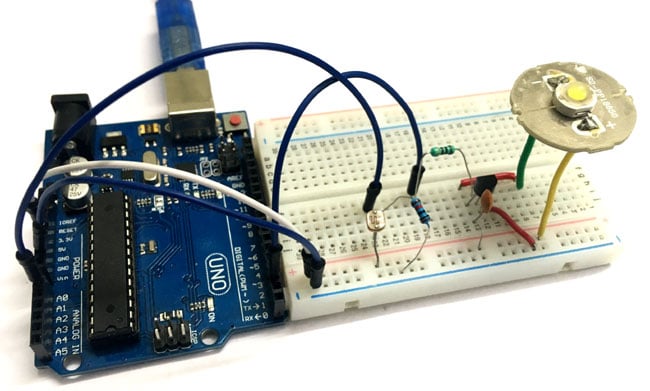
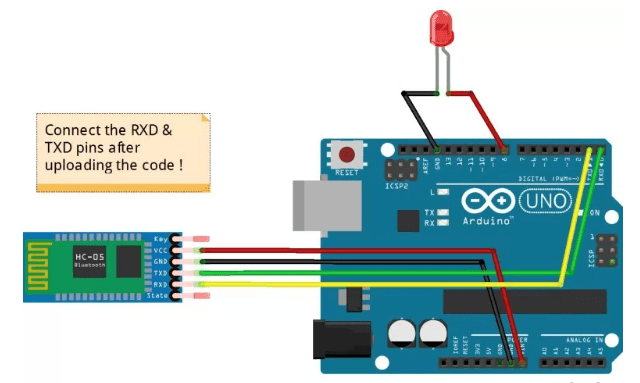
The project uses simple yet effective hardware components, including an Arduino UNO, high-brightness LEDs, resistors, and a MOSFET or transistor for current control. It is easy to build, cost-effective, and highly adaptable to both rural and urban infrastructure.
This Arduino Street Light project supports the development of smart cities by enabling automated, low-maintenance, and sustainable street lighting systems. It helps reduce carbon emissions and electricity bills while increasing the lifespan of lighting infrastructure.
Whether you are a student, hobbyist, or municipal engineer, this project provides a great introduction to IoT and embedded systems applications. With added enhancements like motion sensors or wireless communication, this system can be scaled for real-world deployment.
Hardware Requirements
-
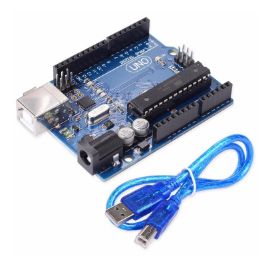
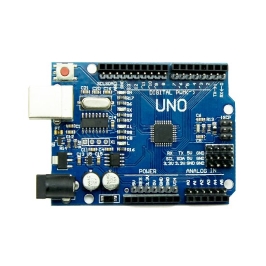
Arduino UNO – Main microcontroller for controlling light intensity.
-
LEDs (High-brightness) – Used to simulate or function as street lights.
-
Resistors – For current limiting and protection of LEDs.
-
MOSFET / Transistor – To switch or control higher currents to LEDs.
-
LDR (Light Dependent Resistor) – Optional; detects ambient light for automatic control.
-
RTC Module (e.g., DS3231) – Optional; provides real-time clock functionality for scheduling light intensity.
-
Power Supply (9V/12V Adapter or Battery) – To power the Arduino and LED circuit.
-
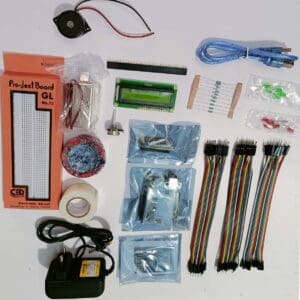
Breadboard or PCB – For assembling the circuit.
-
Jumper Wires – For connections between components.
Applications
-
Urban & Rural Street Lighting – Automatic brightness control helps save electricity.
-
Highways and Expressways – Lights can dim during low traffic hours.
-
Smart Cities – Integration into intelligent infrastructure systems.
-
University & Industrial Campuses – Automated lighting systems reduce manual effort.
-
Residential Areas & Parks – For efficient and low-maintenance lighting.
Key Features
-
Automatic LED Brightness Control – Adjusts intensity based on time or light conditions.
-
Energy Efficient – Reduces electricity consumption during non-peak hours.
-
Arduino-Based Control – Easy to program and customize.
-
Low Maintenance – Once installed, operates without manual intervention.
-
Cost-Effective – Uses affordable and widely available components.
-
Environment-Friendly – Reduces carbon footprint by lowering power usage.
-
Expandable – Can be integrated with sensors, solar panels, or IoT platforms.
-
Safe & Reliable – Smooth transitions prevent LED wear-out and glare.
To Learn More Visit our Website
For more information:-www.mifraelectronics.com
* Product Images are shown for illustrative purposes only and may differ from actual product.
Reviews
There are no reviews yet.